Our journey along the southern coast of Dalmatia was designed with a simple goal in mind: to begin exploring the breathtaking, historic regions that stretch between the vibrant coastal hub of Split and the legendary walled city of Dubrovnik. 
Traveling by catamaran allowed us to chart our own course through the crystalline waters of the Adriatic, hopping between sun-drenched islands like Hvar and the deep green forests of Mljet, before detouring into the beautifully complex cultural tapestry of Mostar, Bosnia. While these pictures capture the highlights of our adventure—from hidden coves and ancient city gates to world-class vineyards perched above the sea—they represent just the first chapter of our exploration.
Richard W. Heiniger
================================================================================​​​​​​​
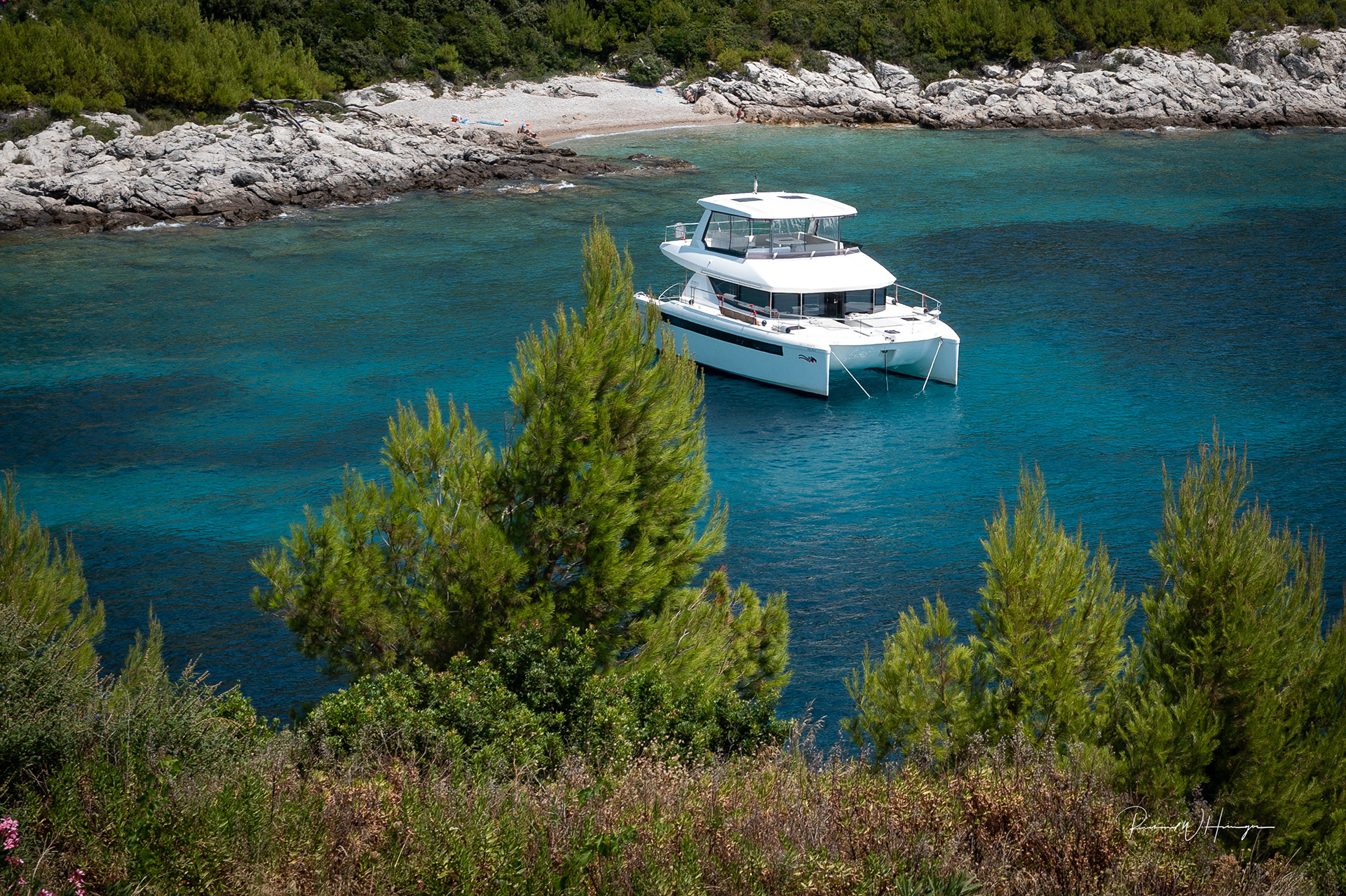
Our Home on the Adriatic - Felina sways gently in a secluded, turquoise cove bordered by a rocky beach and aromatic pine trees. She served as our mobile home and ticket to adventure while exploring the hidden corners of the southern Dalmatian islands. Navigating the Adriatic by boat provides a completely different perspective of Croatia’s dramatic archipelago. It offers the freedom to bypass busy ferry schedules, drop anchor in pristine bays, and step directly into the crystal-clear waters whenever the mood strikes.
More about the Vinyard we are at in this photo - Grgić Vina is a renowned family-owned winery located in Trstenik on the Pelješac Peninsula in Croatia. It was founded in 1996 by Miljenko “Mike” Grgich—the legendary Croatian-American winemaker famous (you guessed it), for crafting the winning Chardonnay at the 1976 Judgment of Paris—along with his daughter Violet Grgić and nephew Ivo Jeramaz.  Needless to say we are enjoying wine while Felina waits patiently!

"Felina" - Taken from Grgić Vina - 2026

+ Click Image To Enlarge +

=========================================================================================

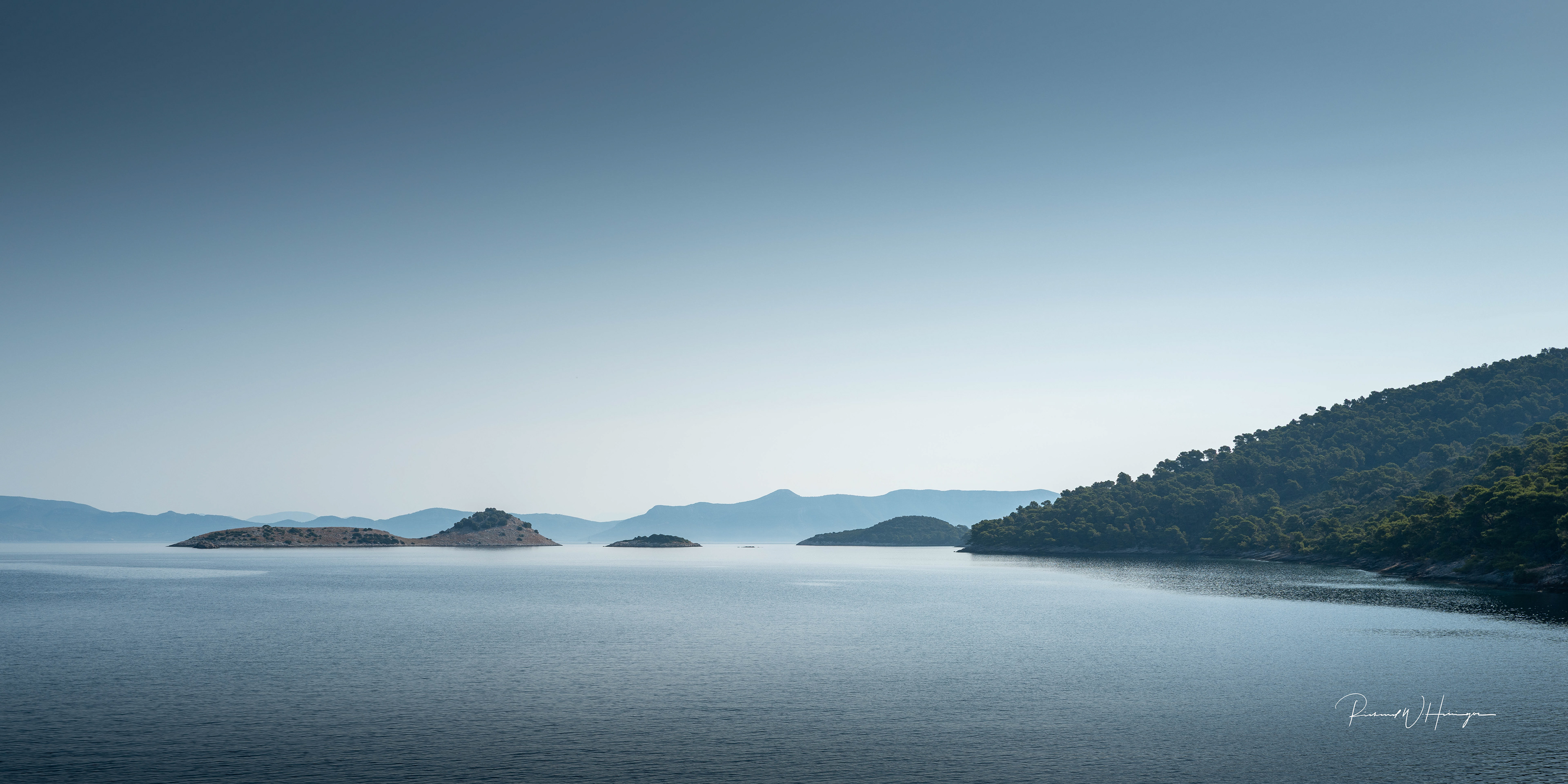
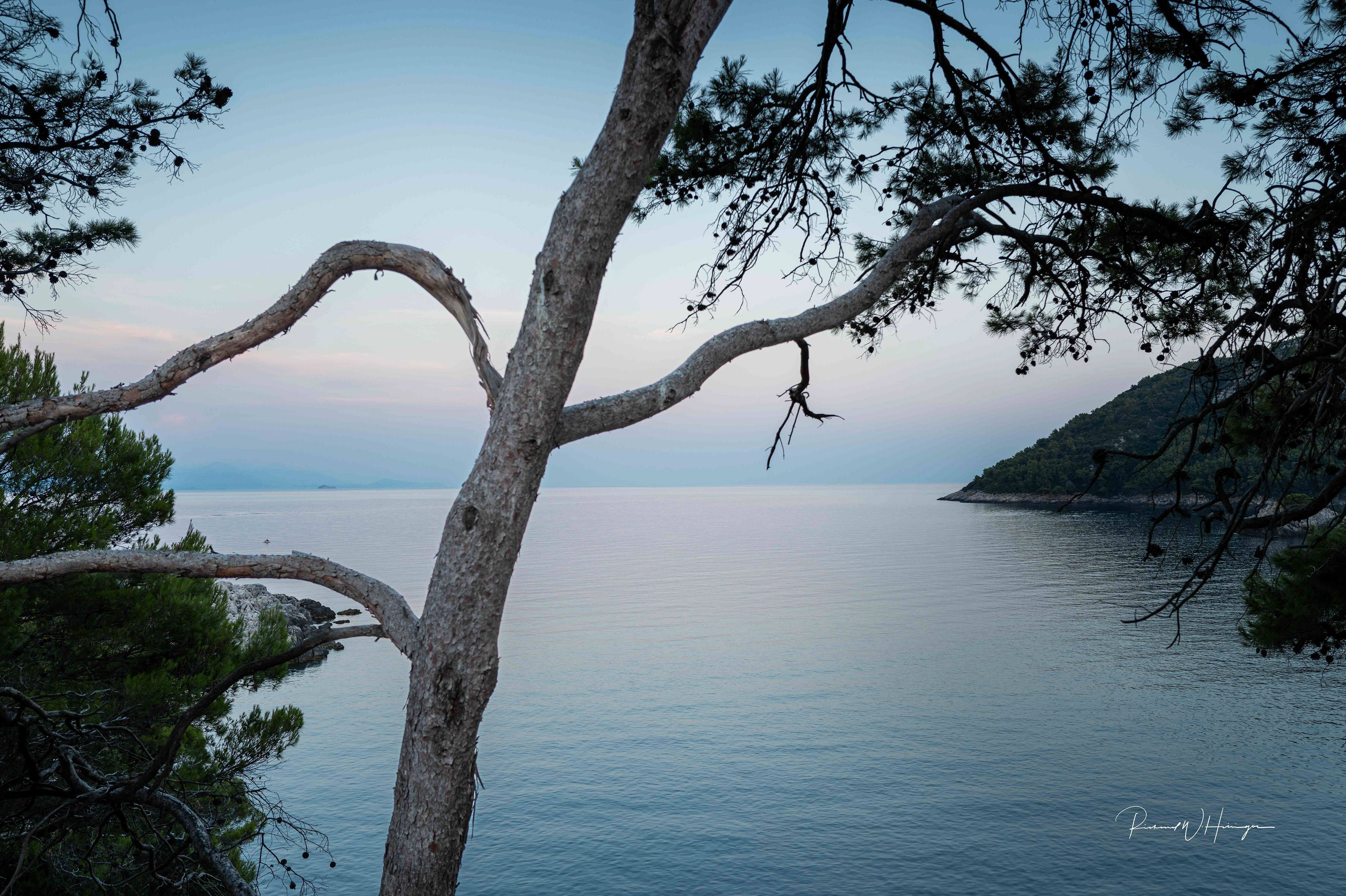
"Early Morning Light" - Northern Mljet Island, Croatia - 2026

+ Click Image To Enlarge +

Awakening in Croatia’s Greenest Paradise - The serene, pastel hues of dawn frame this quiet coastal view from the northern shores of Mljet Island. Framed by the wind-swept branches of a native Aleppo pine, the glass-like water stretches out toward a soft pink and blue horizon. Known as Croatia’s "greenest island," over 70% of Mljet is blanketed in dense Mediterranean forests, and its northwestern region has been protected as a pristine National Park since 1960. According to ancient Greek mythology, this enchanting, dense forest landscape is believed to be Ogylia, the mythical island where the nymph Calypso held Odysseus captive for seven years.
Capturing the coastline in the early morning highlights the stillness that defines Mljet before the heat of the day sets in. The pine trees growing right up to the water’s edge release a fragrance that mixes with the salty sea air.  It is a snapshot of untouched nature at its most peaceful, showcasing the wild, poetic side of the southern Dalmatian islands.
=========================================================================================

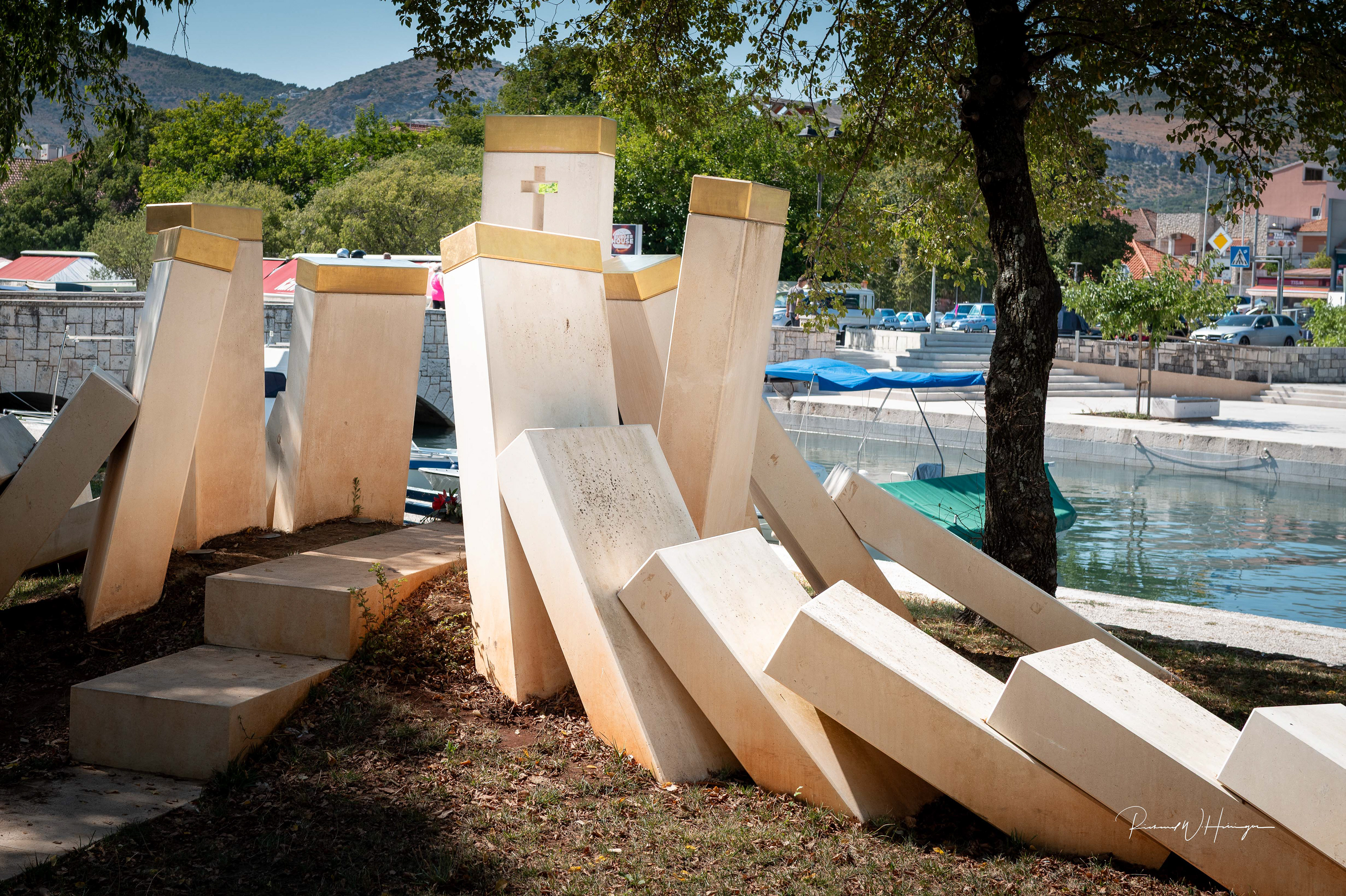
"Monument to the Defenders" - Trogir, Croatia - 2026

+ Click Image To Enlarge +

A Modern Remembrance - Set against the backdrop of Trogir’s ancient waters, this striking, abstract stone sculpture is the Monument to the Defenders (Spomenik Braniteljima). Erected near the entrance to the historic old town, the design features interlocking white stone blocks with golden accents. It stands as a tribute to the local citizens who fought and died during the Croatian War of Independence (the Homeland War) between 1991 and 1995. The inclusion of a subtle cross emblem honors their sacrifice and the profound impact the conflict had on communities across the Dalmatian Coast.​​​​​​​
The contemporary lines of the monument provide a poignant contrast to the surrounding medieval and Renaissance architecture of Trogir, a designated UNESCO World Heritage site. By placing this modern memorial near the historical gates, the city bridges its long, multi-layered history with its recent past. It serves as a quiet space for reflection along the canal, reminding passersby of the steep price paid for the peaceful Croatia enjoyed today.
================================================================================​​​​​​​

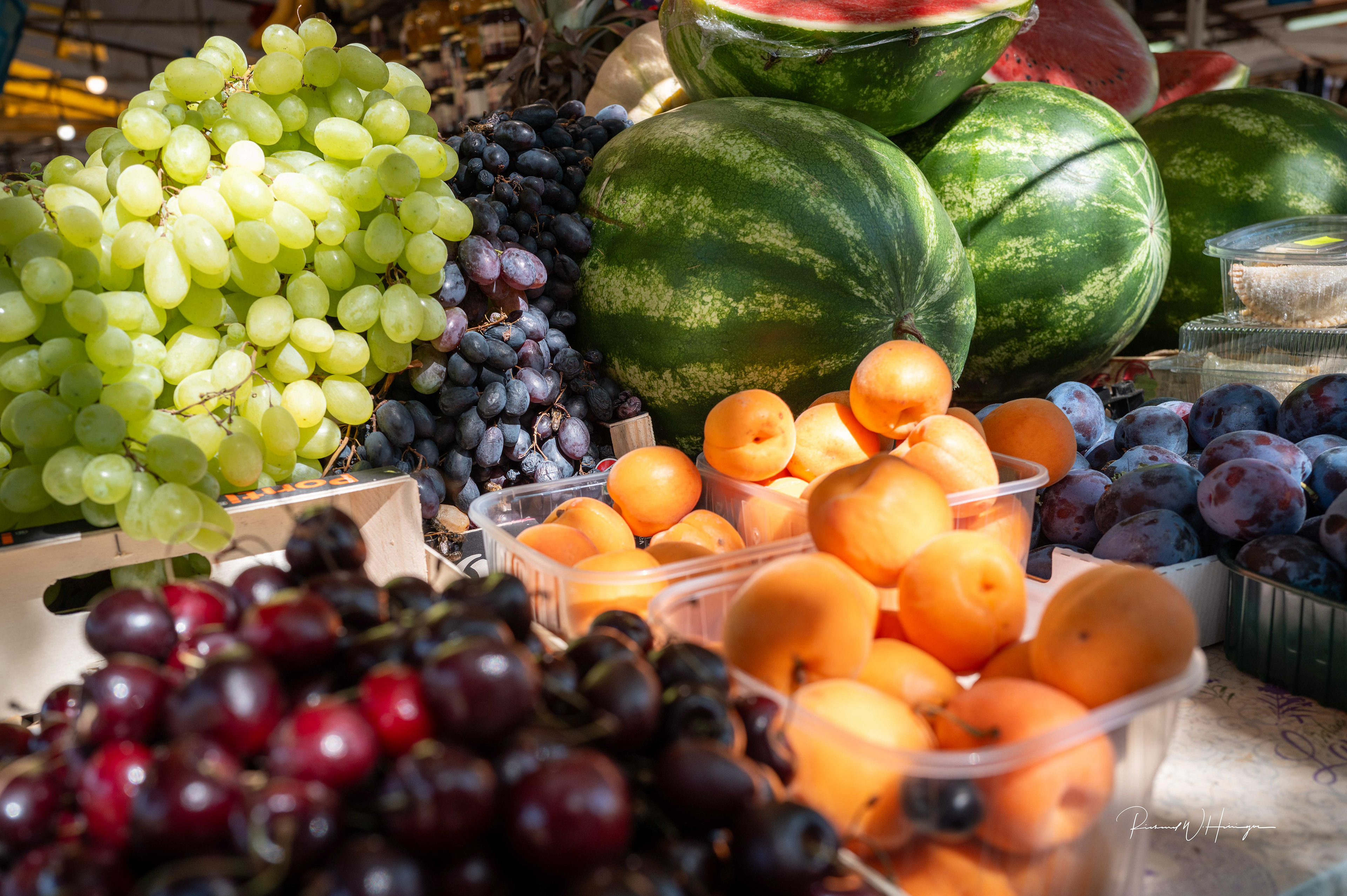
"Market Delights" - Trogir, Croatia - 2026

+ Click Image To Enlarge +

Fresh Dalmatian Flavors - Nothing captures the sun-drenched spirit of Dalmatia quite like its open-air markets. This shot, taken in the historic town of Trogir, showcases a beautiful tapestry of summer produce: crisp watermelons, clusters of local green and dark grapes, velvety apricots, and deeply colored sweet cherries. Trogir’s mild Mediterranean climate and fertile coastal soils have supported traditional farming for centuries. Visiting the pazar (market) offers a window into local life, where farmers from the surrounding hills bring their daily harvests.​​​​​​​
Markets like this are the heartbeat of the region, supplying the produce essential to traditional coastal cooking. The colors and textures evoke the simple pleasures of the Adriatic lifestyle, where a morning trip to the stalls is as much a social ritual as it is a shopping excursion. It is a snapshot of pure Mediterranean abundance.
================================================================================​​​​​​​

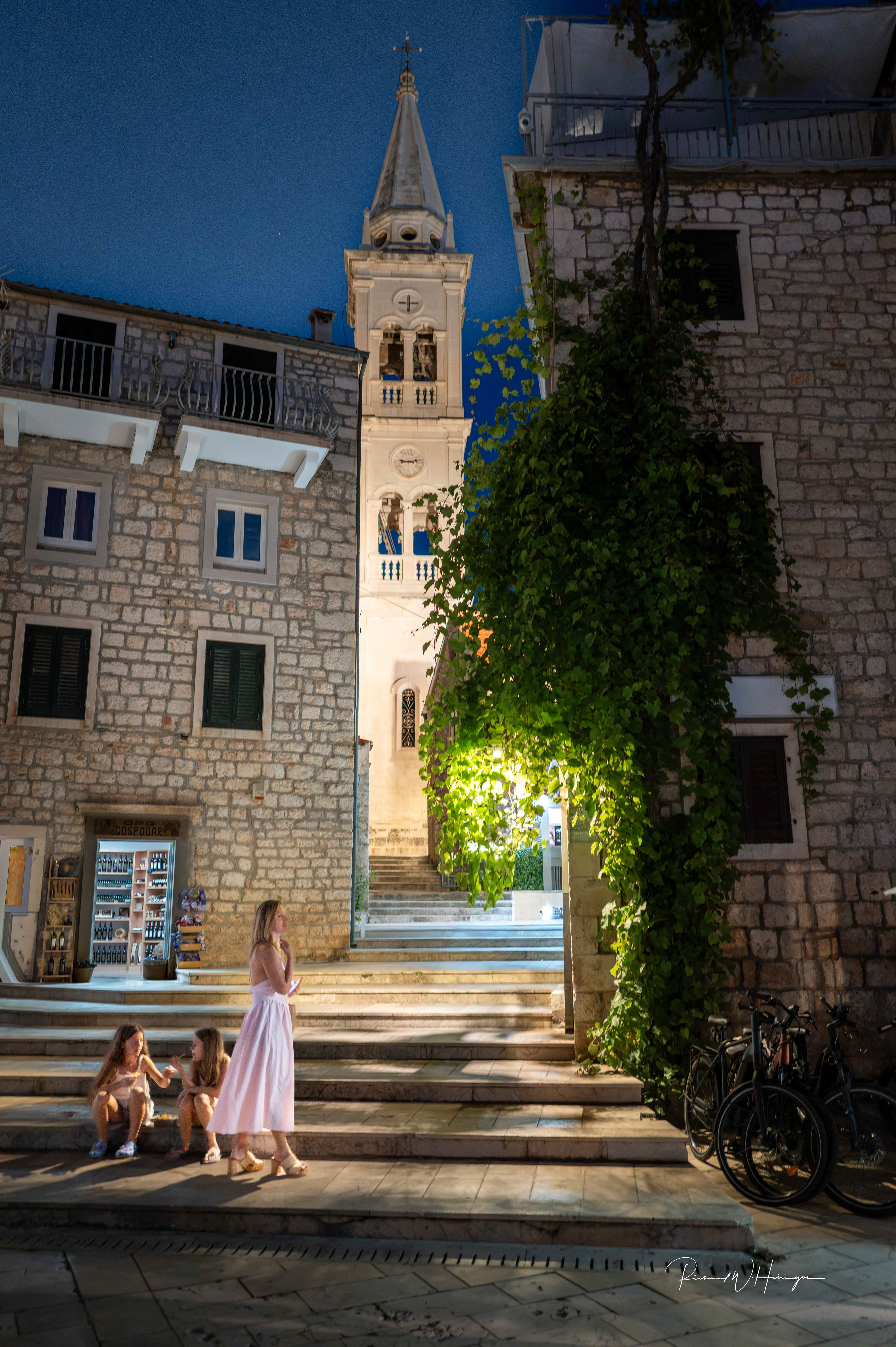
"Evening Magic in Jelsa" - Hvar Island, Croatia - 2026

+ Click Image To Enlarge +

Chasing Twilight in Jelsa - As twilight falls over the island of Hvar, the quiet coastal town of Jelsa takes on a magical glow. This evening scene captures a dramatic view looking up the grand stone stairs toward the illuminated bell tower of the Church of the Assumption (originally St. Mary’s). Founded in the 14th century and later heavily fortified to defend against Ottoman raids, the church-fortress towers over the town’s labyrinth of stone alleys. In the foreground, local life unfolds on the broad steps, with warm ambient light spilling from a nearby wine shop, highlighting the town’s legendary winemaking roots.
This square also sits near the heart of one of Croatia’s most profound spiritual traditions: the Za Križen (Behind the Cross) procession. For over 500 years, on Maundy Thursday, a barefoot cross-bearer leads a 25-kilometer overnight pilgrimage through Jelsa and its neighboring villages. Recognized by UNESCO as Intangible Cultural Heritage, the solemn ritual echoes through these exact stone passageways. This photograph perfectly encapsulates the romance of a Dalmatian evening, where history, faith, and casual summer nights effortlessly intertwine.
=========================================================================​​​​​​​

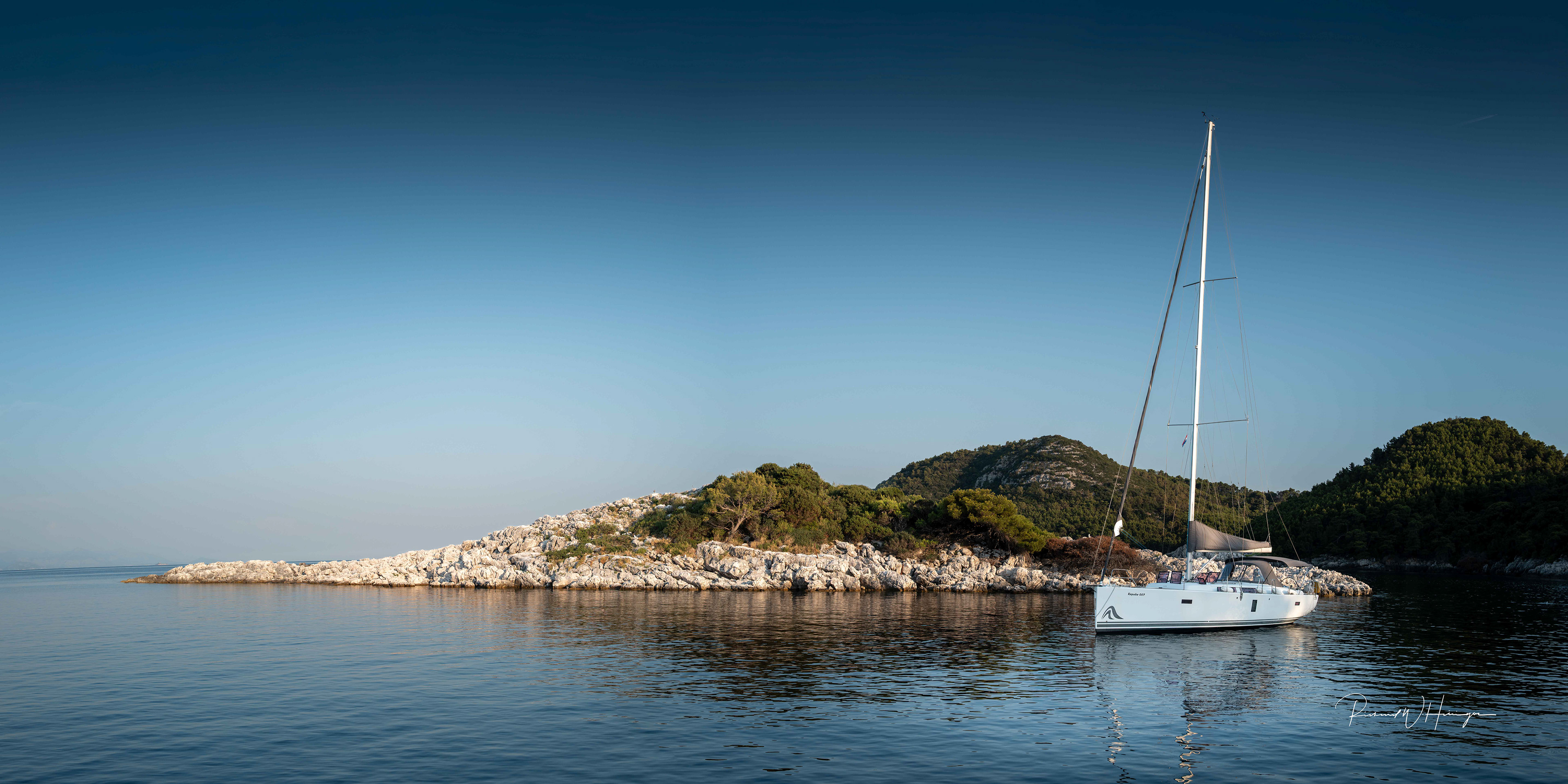
"Sailboat in a Secluded Bay" - Southern Mljet, Croatia - 2026

+ Click Image To Enlarge +

The Ultimate Adriatic Anchorage - A white sailboat sits perfectly still in the protected waters of a rocky cove along the southern coast of Mljet Island. This image captures the pinnacle of the Adriatic sailing experience: finding a secluded, pine-fringed bay to drop anchor as the late afternoon sun illuminates the limestone shoreline. Historically, Mljet’s indented coastline and hidden bays provided crucial shelter for ancient Greek and Roman mariners navigating the treacherous open waters of the southern Adriatic Sea, a fact proven by the numerous ancient shipwrecks discovered nearby.
The striking clarity of the water and the rugged rocks convey a powerful sense of isolation and adventure. For modern sailors, the southern edge of Mljet offers an escape from the busier cruise ship routes, providing a peaceful connection with nature. This photograph serves as an invitation to slow down, catch the wind, and explore the hidden corners of the coast that are only accessible by boat.
================================================================================

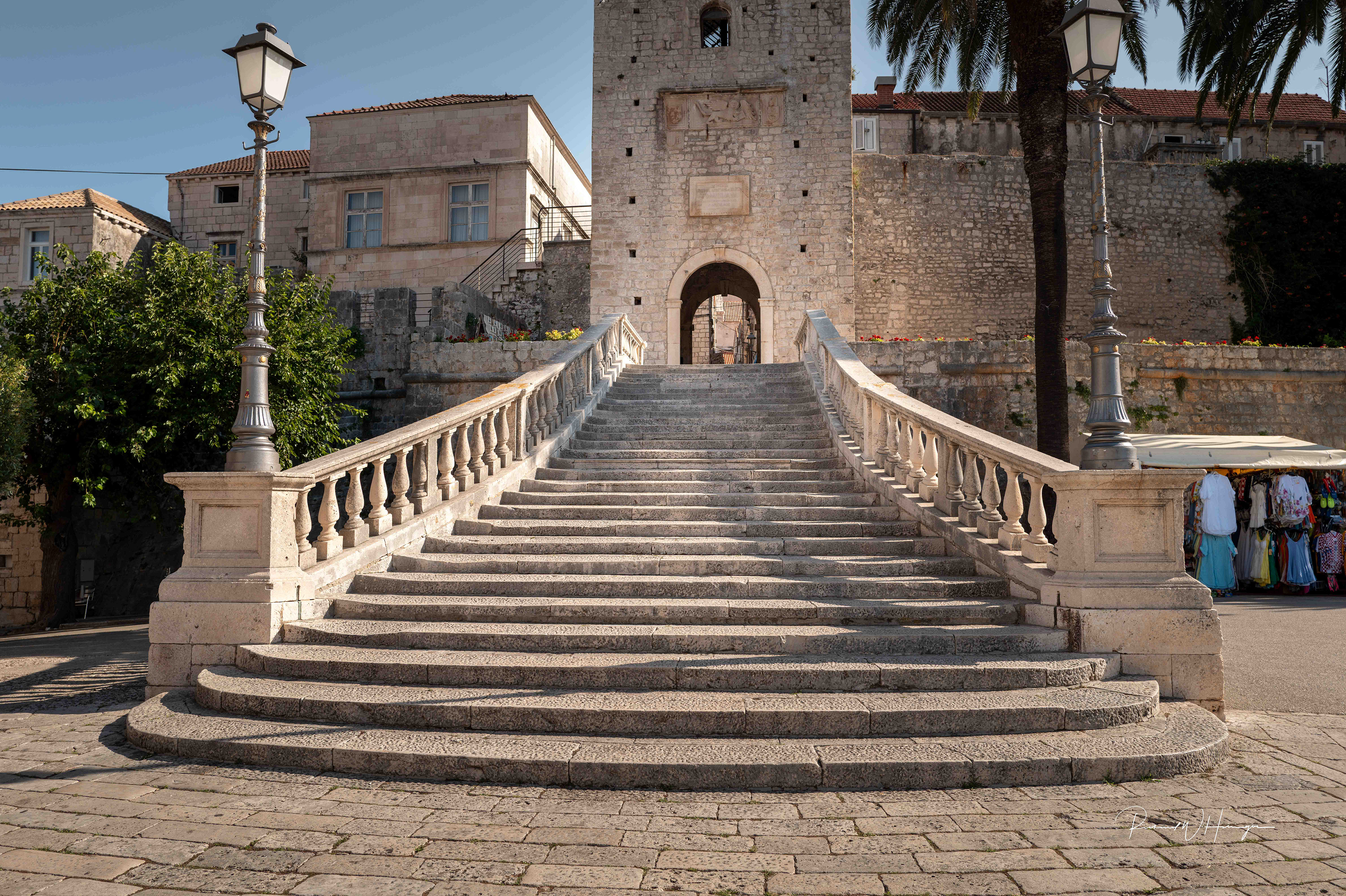
"The City Gate of Korčula Old Town" - Korcula Island, Croatia - 2026

+ Click Image To Enlarge +

Stepping Back in Time - The dramatic entrance to Korčula’s Old Town feels like stepping directly into a medieval fairytale. Known as the Land Gate (Kopnena vrata), this imposing entryway is reached via a sweeping neo-Renaissance stone staircase that replaces an old wooden drawbridge. The gate is built straight into the base of the massive Revelin Tower, constructed in the 14th century to protect the island’s residents from invaders. Above the archway, a carved stone plaque features the winged Lion of St. Mark—a symbol of the centuries when Korčula was ruled by the powerful Republic of Venice.
Korčula is often nicknamed "Little Dubrovnik" because of its highly fortified walls and defensive layout. Ingeniously designed, the narrow stone streets branching out from this gate were built in a herringbone pattern. This layout shielded the town from cold winter winds while allowing the fresh summer breeze to circulate freely. Standing at the base of these stairs, the gateway frames a perfect welcome to an island rich with seafaring history, architectural brilliance, and the legendary lore of its alleged native son, Marco Polo.
================================================================================

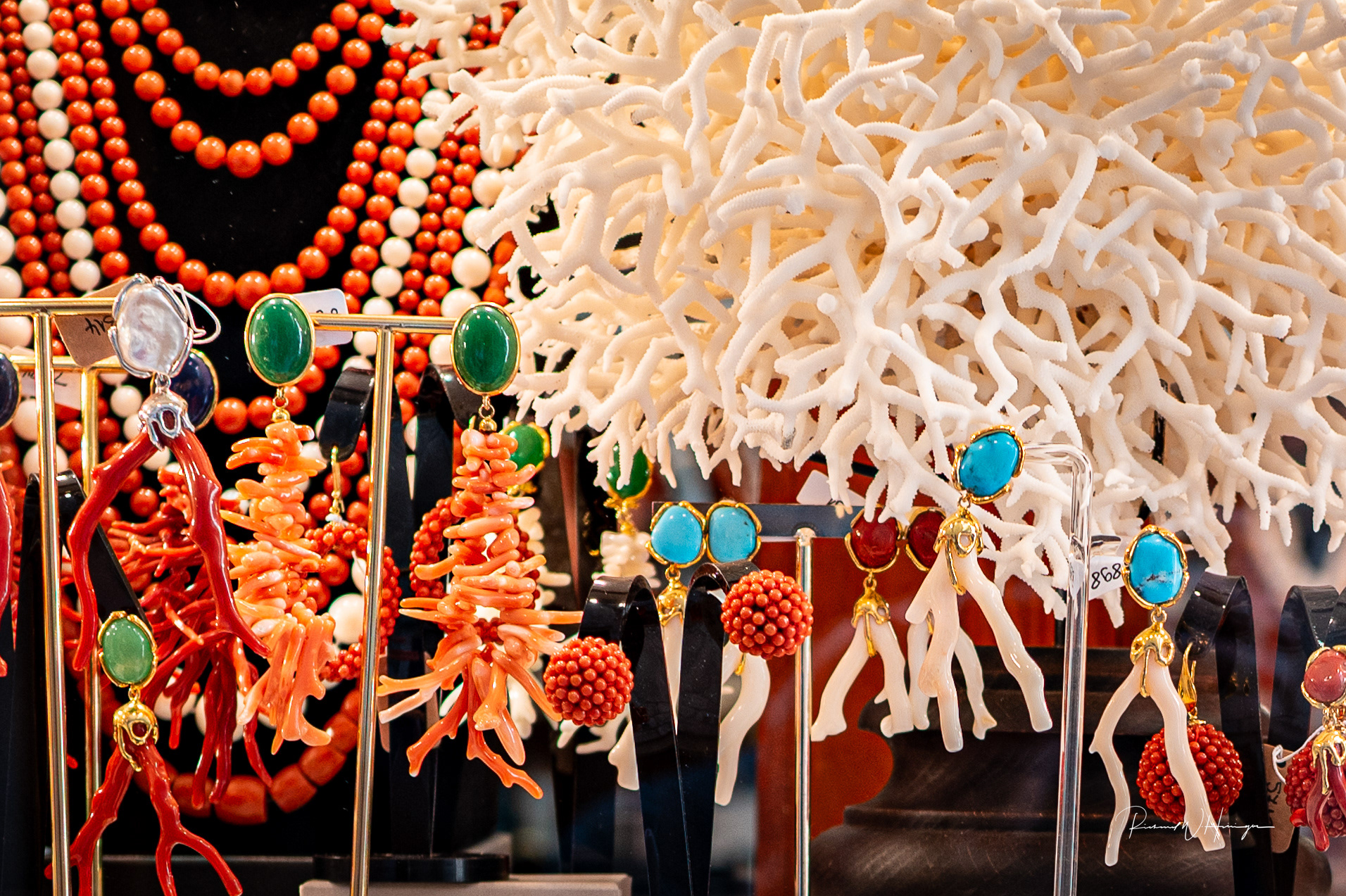
"Adriatic Coral Artisan Shop" - Korčula, Croatia - 2026

+ Click Image To Enlarge +

The Treasure of the Deep - Displayed against a stunning backdrop of white branching skeletons, this array of fiery red coral and turquoise jewelry represents one of the most treasured maritime crafts of the Adriatic. Captured inside "Coral Shop Irena" on the island of Korčula, this scene highlights the historical significance of Corallium rubrum (Mediterranean red coral). For thousands of years, red coral has been harvested from deep underwater caves along the Dalmatian coast by specialized divers, prized not just for its brilliant color, but also worn as an amulet to ward off evil spirits.
Historically, harvesting and polishing coral was a highly guarded, dangerous art, with nearby Zlarin island becoming the ancient center of the trade. Today, authentic Adriatic red coral is strictly regulated to protect the marine ecosystem, making these hand-carved pieces rare and valuable souvenirs. Paired with vibrant turquoise and elegant gold settings, the jewelry serves as a wearable piece of Croatian seafaring heritage and a beautiful reflection of the deep blue waters that surround the island.
================================================================================


Vista from the "Street of Thoughts" - Korčula, Croatia - 2026

+ Click Image To Enlarge +

Quiet Contemplation Over the Pelješac Channel - This sweeping panoramic view looks out across the deep blue waters from one of the most uniquely named walkways on the island of Korčula: the "Street of Thoughts" (Ulica misli). True to its name, this vantage point offers an unobstructed, peaceful look at the layers of distant mountains defining the Pelješac Peninsula. Historically, these waters served as a critical, highly strategic maritime highway for Roman galleons, Venetian merchant fleets, and local sailors. Today, the channel is celebrated globally as a premier destination for windsurfers, thanks to the reliable maestral summer breeze that funnels through the strait.
The minimal composition of the shot perfectly captures the slow-paced, reflective charm of the island. Tucked away from the bustling center of the old town, spots like this allow travelers to pause and soak in the vastness of the Adriatic. It is a visual breath of fresh air that highlights the raw beauty characterizing the dramatic coastline of southern Dalmatia.
================================================================================


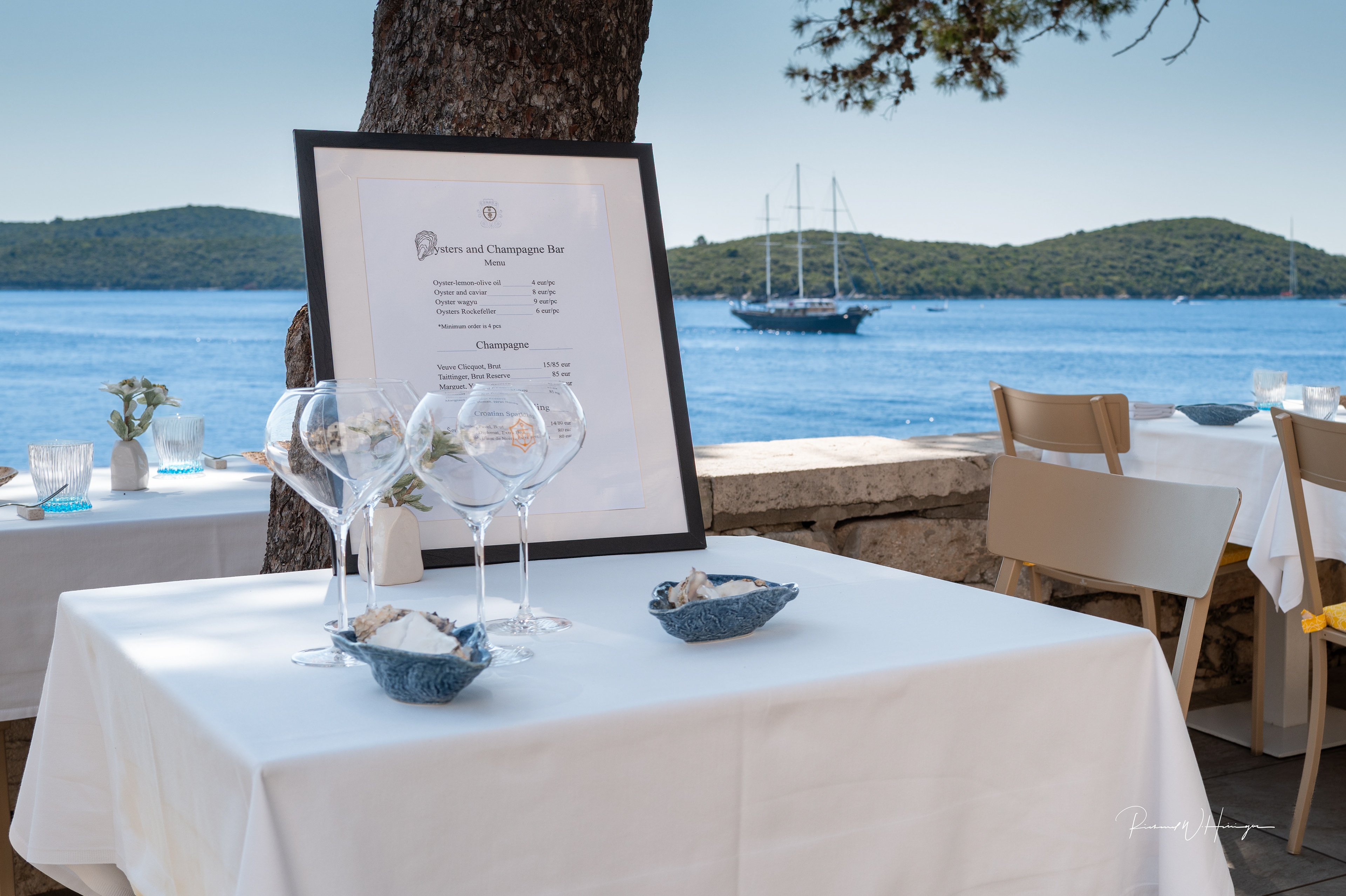
"Dinner at Stermasi" - Southern Mljet, Croatia - 2026

+ Click Image To Enlarge +

Oysters and Champagne on the Edge of the Adriatic - This beautiful, table-side capture looks out from Stermasi Restaurant as we were seated for dinner.  Stermasi is an incredible family-run restaurant tucked away in the remote, wild landscape of southern Mljet. Overlooking a sparkling blue bay, the table is meticulously set for a coastal feast featuring fresh oysters and local wine. The southern coast of Mljet is renowned for its steep cliffs, hidden coves, and proximity to the nearby Pelješac Peninsula—the absolute epicenter of Croatian oyster farming, where the unique blend of clean sea water and freshwater springs yields some of the most flavorful shellfish in the world.
Dining at a family-run establishment like Stermasi elevated our travel experience, blending world-class seafood with warm, authentic local hospitality. The contrast between the rugged, pine-covered hills in the distance and the elegant table setting captures the magic of Mediterranean dining. It is a reminder of an unforgettable evening where great food, fine wine, and a breathtaking island backdrop came together perfectly.
================================================================================

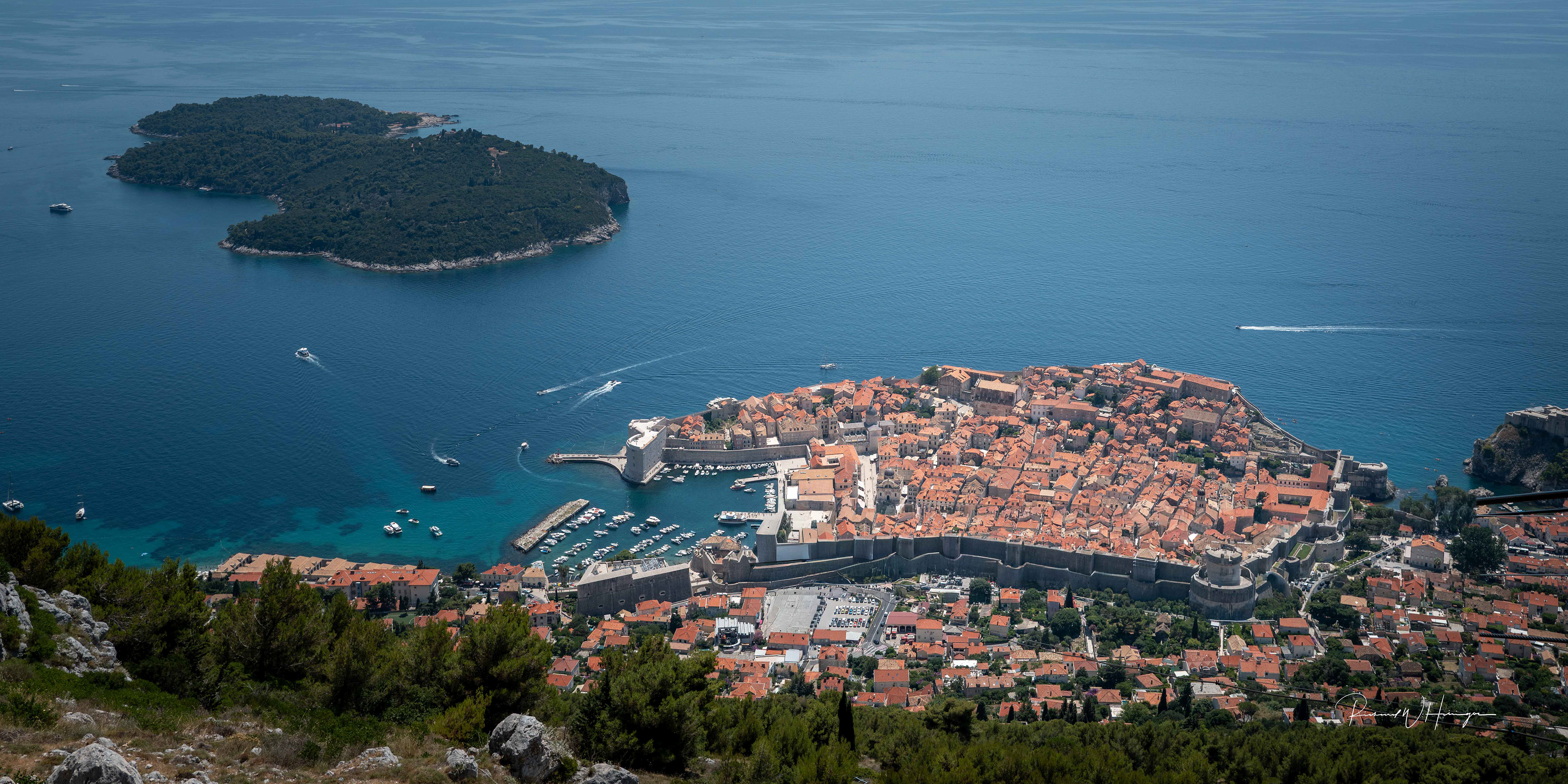
"Old Town Dubrovnik" - Dubrovnik, Croatia - 2026

+ Click Image To Enlarge +

The Pearl of the Adriatic - Captured from the historic fortress at the top of Srđ Hill, this breathtaking aerial photograph provides a definitive view of Dubrovnik, the legendary "Pearl of the Adriatic." The entire medieval walled city stretches into the brilliant blue sea, with the forested island of Lokrum floating just offshore. For centuries, Dubrovnik operated as the capital of the wealthy and independent Republic of Ragusa, a maritime powerhouse that rivaled Venice in trade and diplomacy. The city’s formidable, intact stone defensive walls—stretching nearly two kilometers—protected its liberty for generations, surviving major earthquakes and historic sieges.
Looking down from this high vantage point reveals the remarkable geometry of the historic old town, characterized by its tightly packed, uniform terracotta roofs and the deep harbor that once welcomed merchant fleets from across the globe. To the left, the small harbor that powered an empire stands out clearly against the deep water. This panoramic perspective captures the majestic blend of history, architecture, and geography that makes Dubrovnik one of the most celebrated cultural monuments in the world.
================================================================================

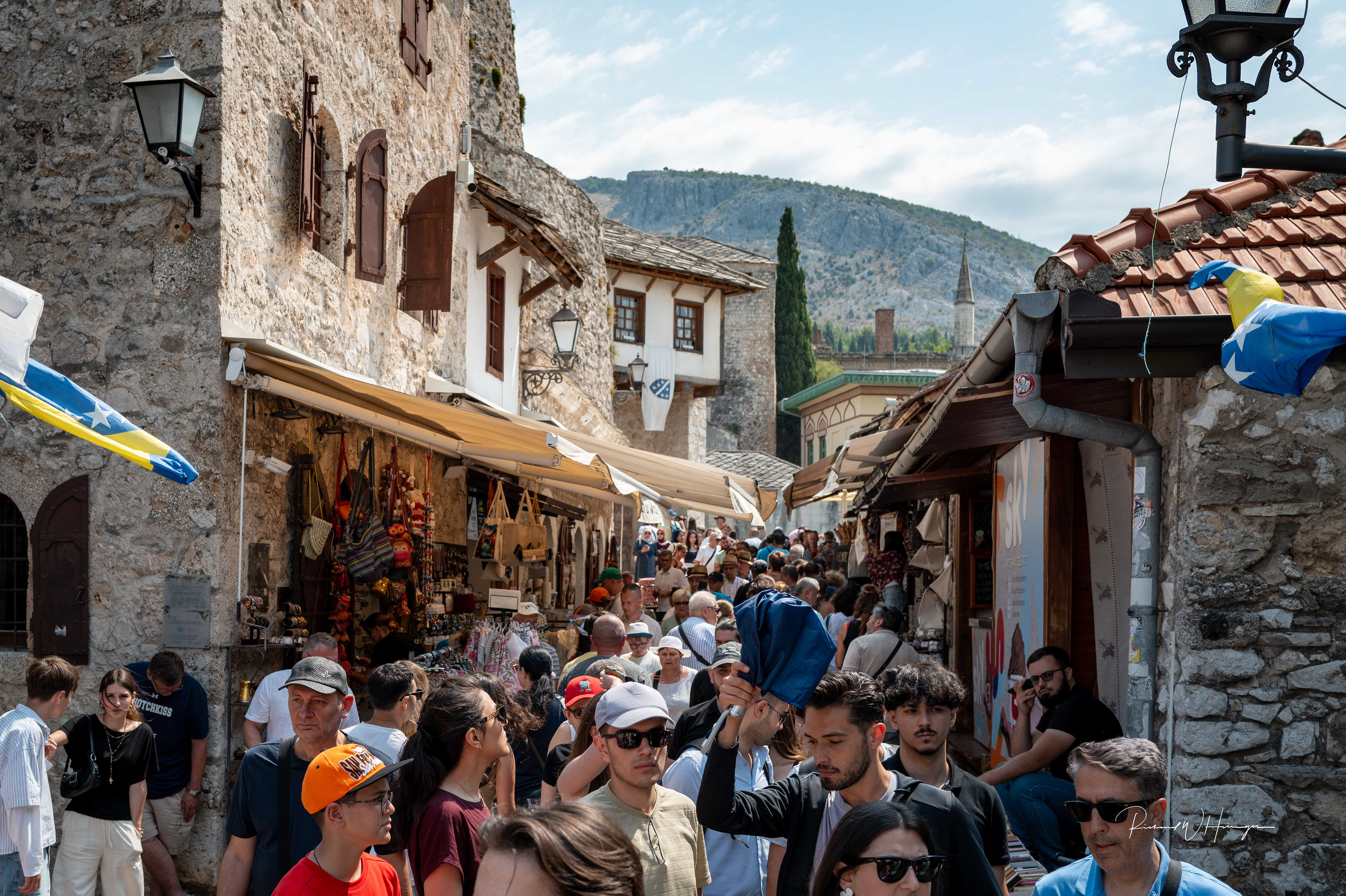
"The Old Bazaar of Mostar" - Mostar, Bosnia - 2026

+ Click Image To Enlarge +

A Vibrant Tapestry of Cultures - The energy of Mostar’s Old Bazaar (Kujundžiluk) comes alive in this shot, where a dense crowd of travelers navigates the historic, cobbled street. Flanked by traditional stone buildings with stone-slated roofs, the narrow lane is lined with vibrant shops displaying artisan copperware, colorful Turkish lanterns, and traditional textiles. Stretching along the banks of the Neretva River, this bazaar dates back to the middle of the 16th century during the peak of Ottoman rule. It remains a bustling hub where East traditionally meets West.
Walking through this historic passage offers a sensory window into Mostar's incredibly complex cultural landscape. The architecture, traditional crafts, and the visible minarets of nearby mosques framing the horizon highlight the city's unique blend of Ottoman Islamic influences and Austro-Hungarian European history. It is a place where the air smells of rich Bosnian coffee and the vibrant sights remind you of the resilient, multi-ethnic spirit that defines this captivating city.
================================================================================


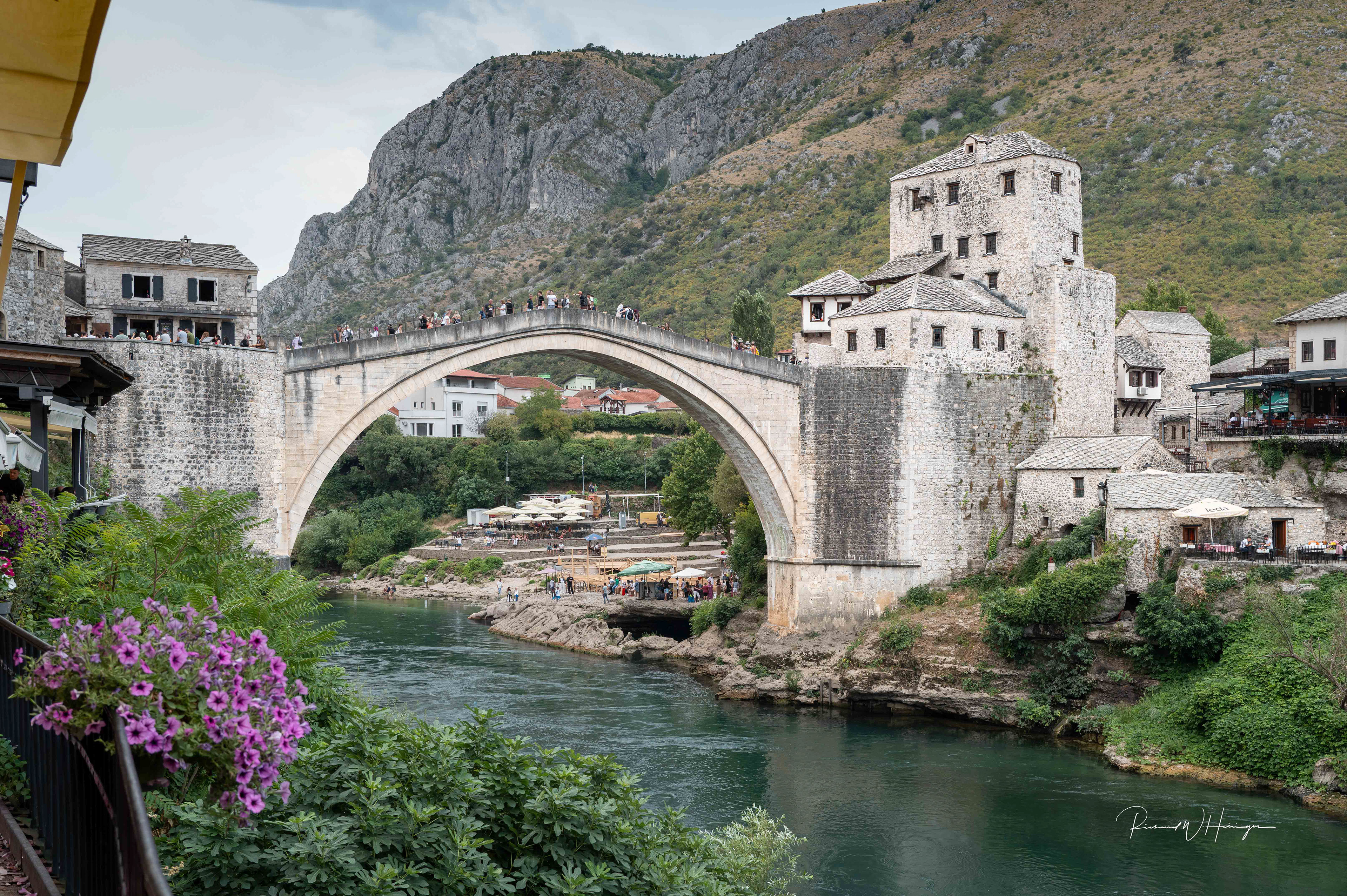
"Stari Most, The Old Bridge of Mostar" - Mostar, Bosnia - 2026

+ Click Image To Enlarge +

An Architectural Masterpiece and Symbol of Resilience - The iconic arch of Stari Most (The Old Bridge) stands as a masterpiece of Ottoman engineering, framing a timeless silhouette against the Bosnian hills. Commissioned by Suleiman the Magnificent and completed in 1566 by the architect Mimar Hayruddin, the bridge spans the Neretva River with a single, gravity-defying stone arch. Flanked by its defensive stone towers—the Halebija and Tara—the bridge stood for over 420 years until it was tragically destroyed in 1993 during the Bosnian War. Painstakingly rebuilt using the exact same traditional methods and local tenelija limestone fished from the riverbed, it reopened in 2004 as a protected UNESCO World Heritage site.
Stari Most is far more than just a beautiful crossing; it is a profound symbol of reconciliation, international cooperation, and the bridge between diverse cultures and faiths. Today, it remains the ultimate focal point of the city, where local divers carry on a 450-year-old tradition of leaping from its 24-meter-high crest into the icy waters below. This photograph captures the enduring grandeur of an architectural marvel that defines the identity and soul of Mostar.
================================================================================​​​​​​​

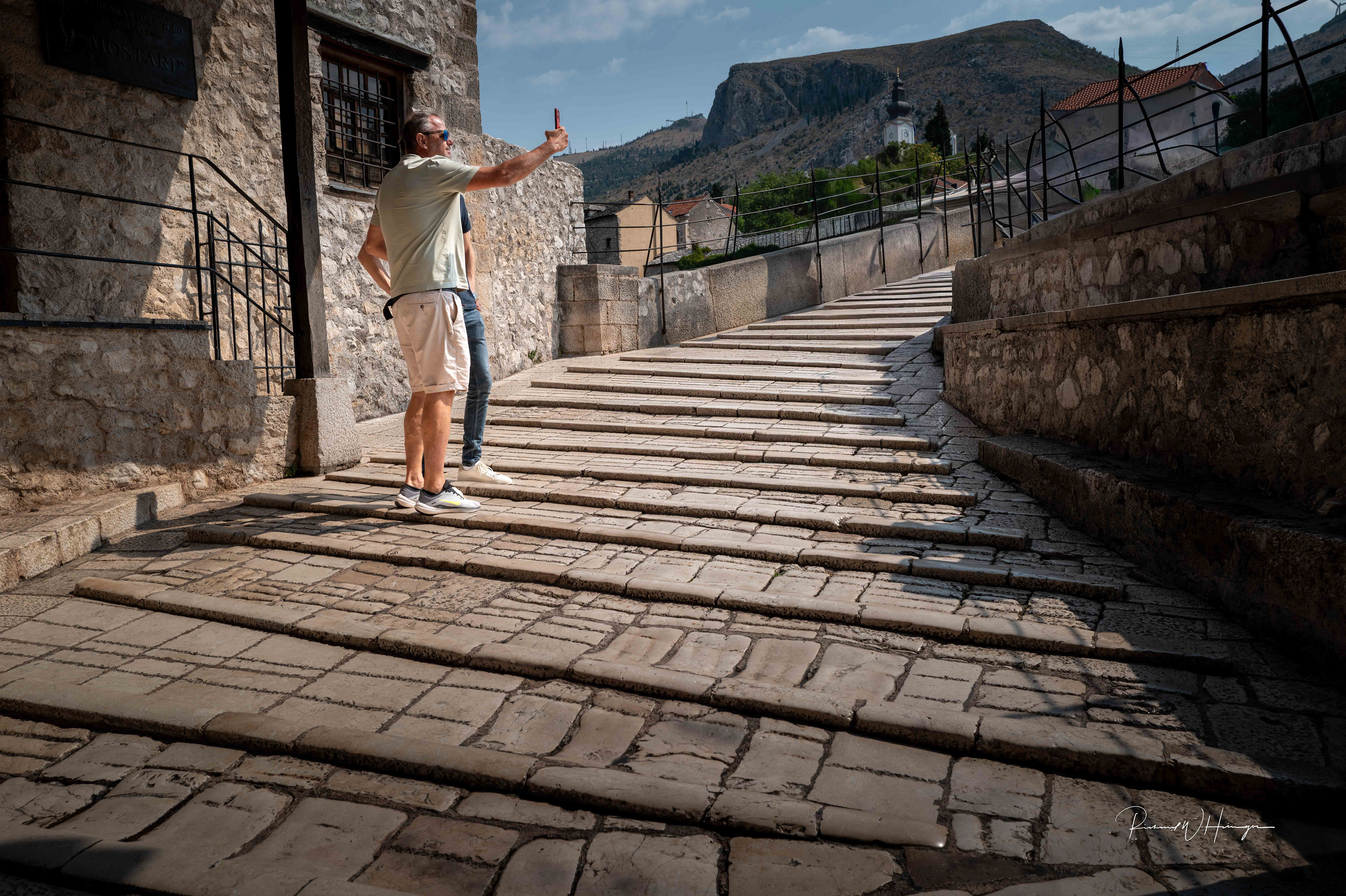
"Scaling the Ridge of Stari Most" - Mostar, Bosnia - 2026

+ Click Image To Enlarge +

Walking the Smooth Stones of History - This dramatic, low-angle perspective captures the unique, steep incline and distinct stone ridges that line the walkway of Stari Most. Polished to a mirror-like sheen by millions of footsteps over centuries, the slick white tenelija stone reflects the bright Balkan sun, while travelers carefully navigate its ribbed steps. In the background, the rugged face of Mount Hum stands out against the blue sky, with a historic church tower visible in the distance, underscoring the layered religious tapestry of Mostar.​​​​​​​
Standing on the crest of the bridge offers a thrilling view, but it also demands a slow, deliberate pace that forces you to respect the craftsmanship underfoot. The raised stone ridges were intentionally engineered into the original 16th-century design to prevent horses, traders, and soldiers from slipping on the steep arch. This photograph brings the tactile experience of the bridge to life, capturing a moment where modern explorers step directly into the physical footprints of the past.
================================================================================​​​​​​​

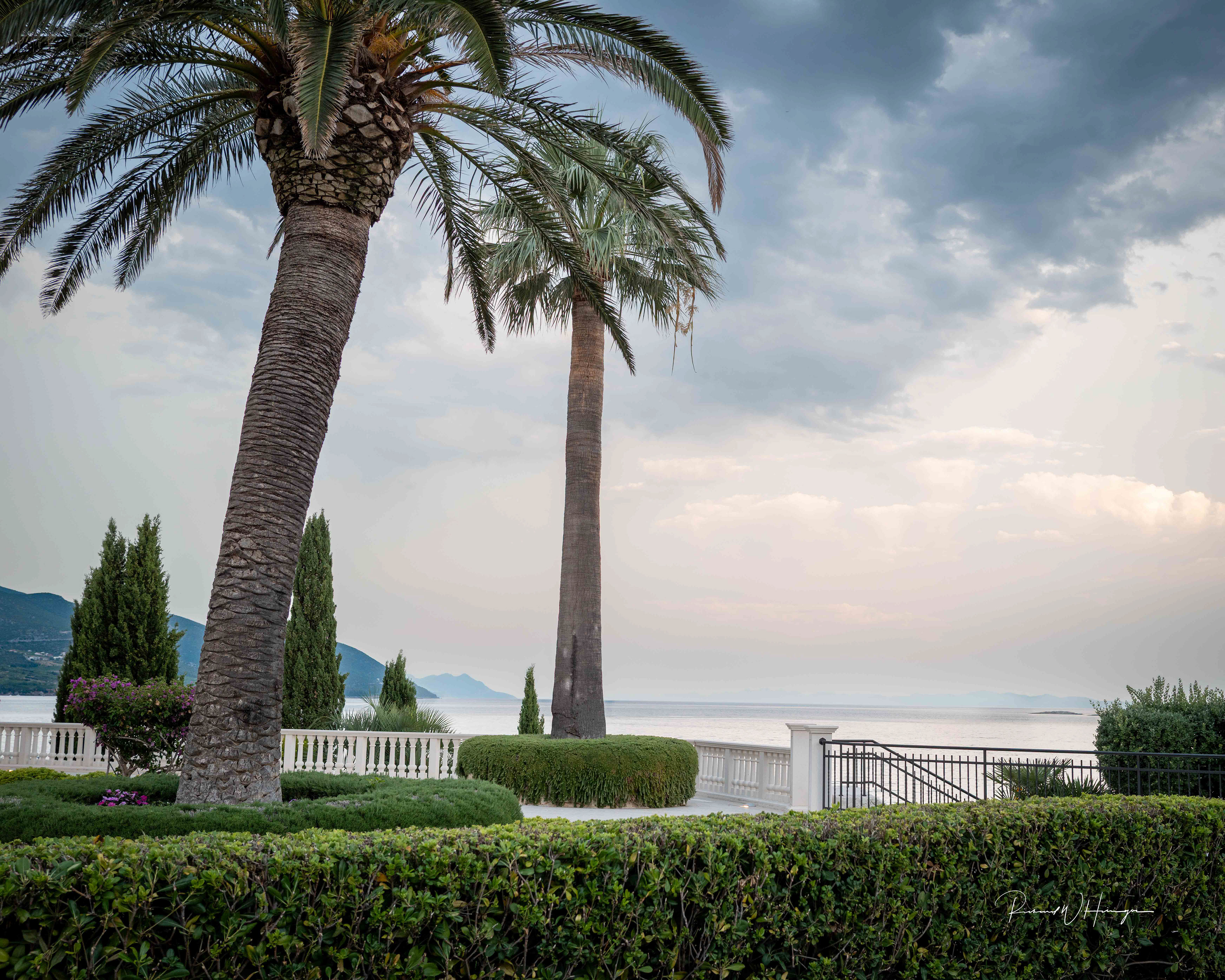
"Coastal Elegance at Saints Hills Winery" -  Pelješac Peninsula, Croatia - 2026

+ Click Image To Enlarge +

The Cradle of Legendary Dalmatian Wines - Framed by palm trees and a beautifully manicured stone balustrade, this elegant terrace looks out from the acclaimed Saints Hills Winery toward a peaceful, silver-blue sea. Situated on the rugged Pelješac Peninsula, this area is internationally revered for its extraordinary microclimate and steep, sun-drenched vineyards. The extreme terrain forces grapevine roots deep into the limestone rock, concentrating flavors to produce some of Croatia's most prestigious and highly desirable wines, including the robust red Dingač and Postup (both made from the indigenous Plavac Mali grape), as well as the rare, aromatic white Grk from nearby Korčula.
The dramatic sky in the background adds a sense of poetic theater to the landscape, highlighting the raw elements that shape the character of the local vintages. Saints Hills beautifully blends traditional winemaking heritage with refined Mediterranean hospitality. This photograph bottles the upscale, sophisticated side of the Dalmatian coast, where tasting legendary wines comes paired with sweeping views of the Adriatic horizon.
================================================================================

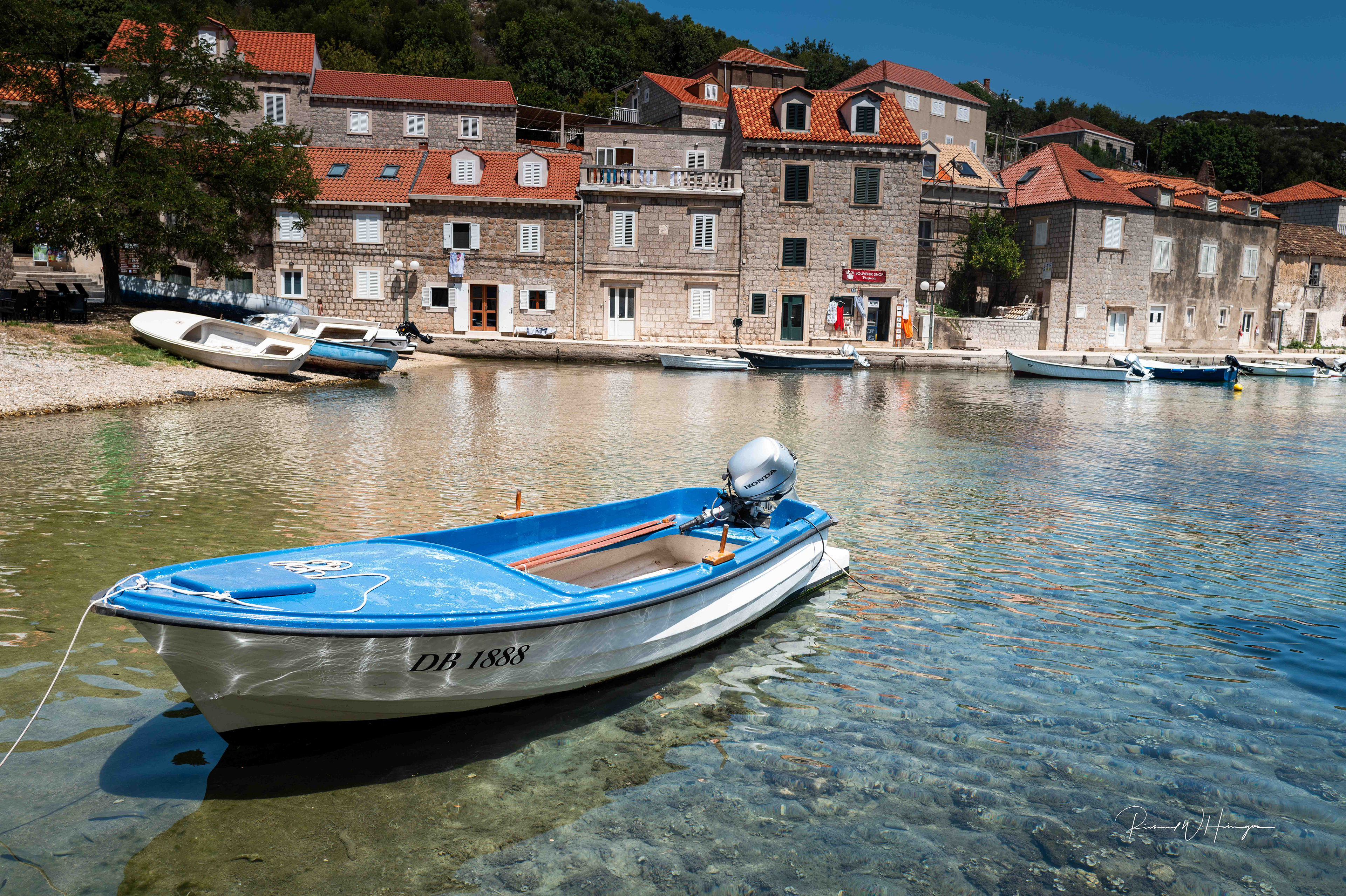
"Lunch in Suđurađ" - Šipan Island, Croatia - 2026

+ Click Image to Enlarge +

A Tranquil Haven in the Elaphiti Islands - This coastal scene captures a midday lunch stop in the sleepy fishing village of Suđurađ, located on Šipan, the largest of the Elaphiti Islands. A simple white-and-blue wooden fishing boat floats on water so transparent that its shadow rests directly on the rocky seabed below. In the background, traditional stone houses topped with iconic terracotta tiled roofs line the peaceful harbor. Historically, Šipan served as a favored summer getaway for the wealthy aristocratic families of the Republic of Ragusa (Dubrovnik) during the 15th and 16th centuries, who built grand Renaissance palaces and fortified villas across the island to escape the bustling city.
Stopping here for a leisurely lunch offers a true taste of the slow-paced, authentic island lifestyle that has remained largely unchanged for generations. The sleepy harbor, dotted with small boats and surrounded by olive groves and vineyards, makes Suđurađ a perfect refuge. This photograph beautifully captures the essence of a Dalmatian summer afternoon: clear water, warm stone, and the quiet comfort of a seaside village.
================================================================================

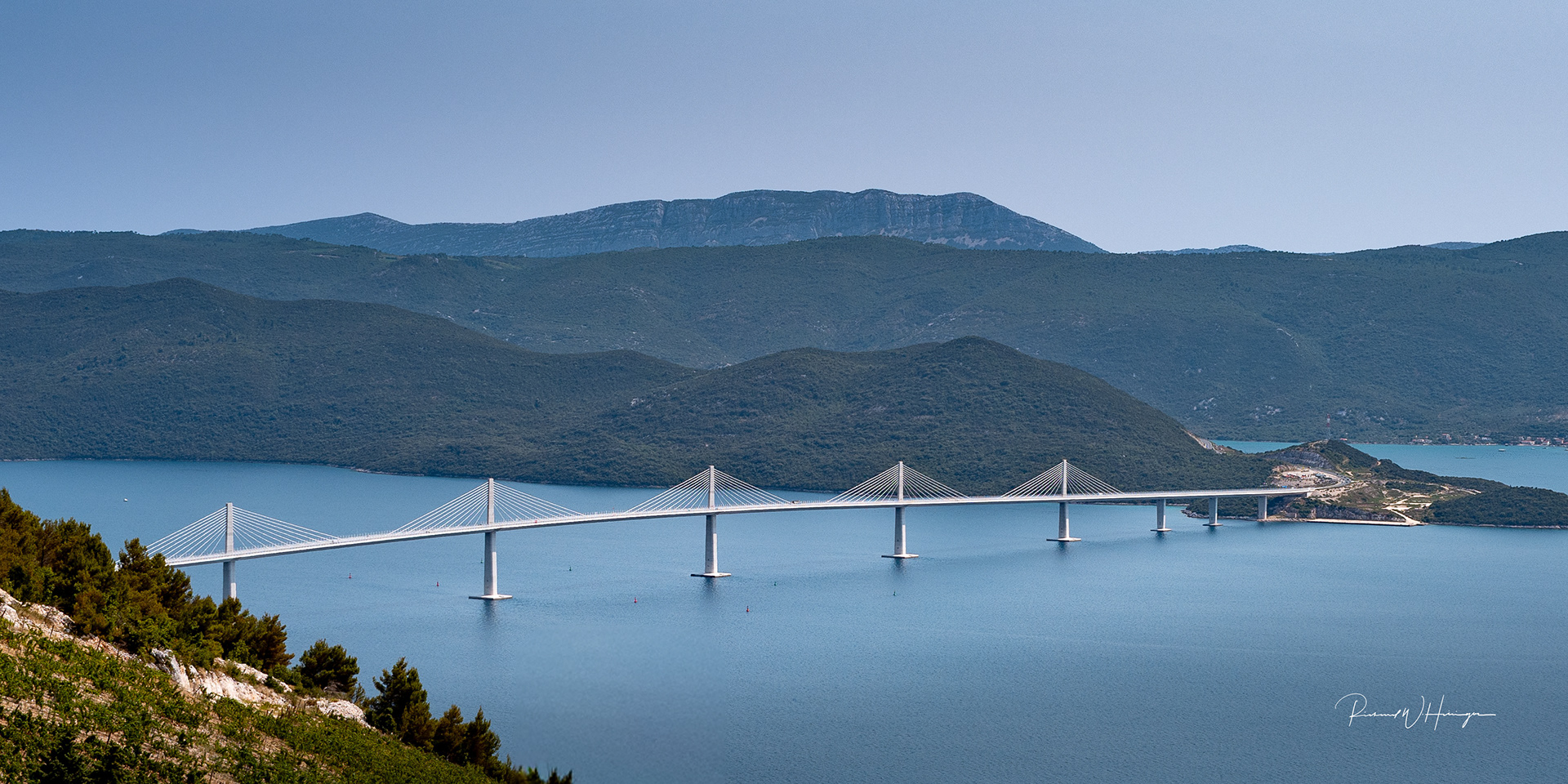
"Pelješac Bridge taken from Rizman Winery" - Pelješac Peninsula, Croatia - 2026

+ Click Image To Enlarge +


A Historic Connection Over the Sea - Perched high on the sun-baked hillsides of the Rizman Winery, this spectacular panoramic view frames the sleek, modern curves of the Pelješac Bridge (Pelješki most). Spanning the blue waters of the Mali Ston Bay, this architectural marvel is a cable-stayed bridge that opened in 2022. It carries immense historical and political significance: by connecting the southern Pelješac Peninsula directly to the rest of the Croatian mainland, it allows travelers to bypass the narrow coastal strip of Bosnia and Herzegovina at Neum. This creates an uninterrupted highway entirely within Croatian territory to reach Dubrovnik.
Capturing this engineering feat from the terraced vineyards of Rizman perfectly pairs Croatia's ancient past with its forward-looking future. The limestone soils and steep slopes surrounding the winery have been cultivated for generations, producing world-class wines. Looking out from the tasting terrace, the bridge appears as a delicate white ribbon draped across the sea, beautifully bridging the gap between wild Dalmatian nature and modern infrastructure.
================================================================================
Back to Top